

“If you’re eating like sh*t 23 hours a day, your pre-workout shake won’t save you.”
-
Giuseppe Ciccolella, NSCA-CPT, CSCS, MES
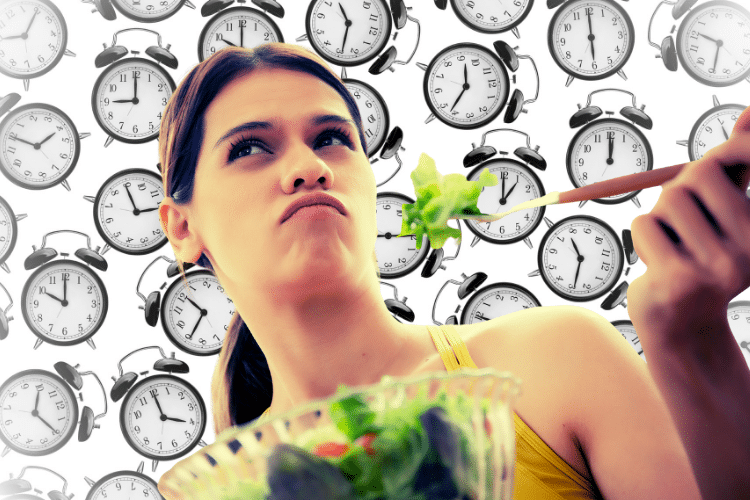
Nutrition Timing Is Overrated
Here’s what matters.
Let’s Cut Through The Sh*t.
Eat this, not that.
Wait, now you can eat that, but only before 2pm with exactly 30 grams of protein.
Actually, forget that.
Just eat whatever you want.
Genetics trump everything anyway.
But definitely fast once a week.
And take these seven supplements.
Nutrition advice changes every month.
Everyone has an opinion.
Most of it contradicts the last thing you read.
Should you eat before training?
What about after?
Supplements, which ones actually work?
Does timing matter?
Does any of this even fkn matter? Cause, remember…genetics!
Here’s what actually matters when it comes to food and training.
What Actually Matters Most
Before we talk about pre-workout meals and anabolic windows, let’s get one thing straight.
Food = Fuel
Total daily intake of protein, fat, carbs, and overall calories matters more than timing and anything else.
The fitness industry wants you obsessing over the 2-hour window around your workout because that’s where they sell supplements.
But your body doesn’t work in 2-hour windows.
It works in 24-hour cycles.
If you’re an elite athlete training 2x per day? Yes, nutrient timing matters.
If you’re an endurance athlete doing long sessions? Yes, intra-workout carbs help.
You, lifting 3-4x per week for 60 minutes? Timing is the least of your concerns.
Focus on total daily intake first.
Your muscles are primed for growth and recovery for an entire day after training. Eating protein within 30 minutes post-workout isn’t wrong. But it’s not magic either.
Don’t stress about it. Just eat within a few hours.
Basic Guidelines
Get your macros right.
Protein: 0.7-1g per pound of bodyweight.
Fat: 0.3-0.5g per pound of bodyweight.
Carbs: More active = more carbs. Less active = fewer carbs.
Why Each Macro Matters
Protein keeps you full, repairs muscle, and preserves lean mass (especially in a deficit).
Carbs provide quick energy for training, replenish glycogen, and improve recovery. Fat supports hormone production, brain function, vitamin absorption (A, D, E, K), and provides sustained energy.
The Pre-Workout Window
You don’t need to eat exactly 30 or 90 minutes before training. 1-3 hours before usually works, but that range depends on:
How much you’re eating (bigger meal = more time needed)
How your stomach handles food (some people can train 30 minutes after eating, others need 3 hours)
What you’re eating (carbs digest faster than fat). Trial and error. That’s it.
Pre-Workout Fuel
You need energy to train hard. That’s the whole point of pre-workout nutrition.
Eat something light and easily digestible.
Carbs for quick energy.
Moderate protein.
Low fat and fiber (they may slow digestion and can cause stomach issues).
Real Fuel (When There’s Time)
PB + J
Cottage cheese + berries
Japanese sweet potato + cottage cheese
Greek yogurt + granola
Banana + peanut butter
Oatmeal + egg whites + berries on top
Rice cakes + almond butter + banana
On the Fly (Less Real, Still Works)
Protein bar (find the ones with the least sh*t in them)
Protein shake + berries (I use Naked Protein)
Cookie + a Chomp stick (the f*ck-it option)
Electrolyte drink + half a protein bar
Greek yogurt + banana
Fasted Training
Some people train better fasted.
Some people crash halfway through.
It’s individual.
When fasted training works
Morning workouts, short sessions (under 60 minutes)
Fat loss phases
You’ve adapted to it over time and feel fine
When fasted training is stupid
Long sessions (90+ minutes)
High-intensity work (sprints, heavy lifts, HIIT)
When trying to build strength
You feel weak, dizzy, or performance drops
Post-Workout Rebuild
You trained hard. Now’s not the time for “whatever’s in the fridge.” Your body’s primed. Feed it right.
Whole Foods > Everything
Grilled chicken + rice + avocado
Salmon + sweet potato + spinach
Eggs + sourdough bread + fruit
Ground beef + quinoa + roasted veggies with a drizzle of olive oil
Greek yogurt + berries + almond butter
Bagel + smoked salmon + cucumber/tomato
Tuna salad + rice cakes + fruit
Turkey + quinoa + arugula salad
Smoothie: whey + banana + peanut butter + spinach
Bison or lean steak + roasted sweet potato
Fast Options (If You’re On the Move)
Protein shake + banana or oats
Tuna packet + crackers + fruit
Rice cake + nut butter + scoop of whey in water
Chocolate milk (old school works)
Protein bar (clean brands only)
Cottage cheese + fruit + drizzle of honey
Hard-boiled eggs + apple + almonds
How Much Is Enough?
You don’t need to count every gram. But ballpark matters.
Protein
A palm-sized portion post-workout.
Prioritize leucine-rich sources: whey, eggs, meat.
Carbs
A fist-sized portion of rice, potatoes, fruit, or oats.
Replenishes glycogen, blunts cortisol, speeds up recovery. Endurance athletes or two-a-day lifters: double the carbs.
Fats
A thumb-sized portion of fat (nuts, avocado, olive oil) if you want longer-lasting satiety.
Your post-lift window isn’t “magic.” But within 60–90 minutes is smart.
Fuel = faster recovery, better gains, fewer cravings later.
The Role of Supplements
My view on supplements is, if you’re deficient in something (get a blood test and check), then take the supplement to become sufficient.
Otherwise, you’ll probably just pee it out.
But if you must take something, these have some merit:
Caffeine
Quick energy grab. 100-200mg pre-workout.
That’s a cup of coffee.
Protein Powder
Whey digests fast (good post-workout). Casein digests slowly (good before bed).
If you hit your protein target with whole food, you don’t need it. But it’s convenient.
Creatine
Actually works. 2.5- 5g per day.
Take it whenever. Timing doesn’t matter.
Backed by decades of research.
Everything else is just noise.
Goals May Change Things (Slightly)
What you eat before and after training should match what you’re trying to accomplish.
Fat Loss
Pre-Workout
Minimal. Light carbs if needed for energy (banana, rice cake).
Post-Workout
Protein-focused, moderate carbs, low fat.
Keep total calories in check.
Why: You’re in a deficit. You want to preserve muscle. Prioritize protein, keep carbs moderate for recovery, don’t overeat post-workout thinking you “earned it.”
Muscle Gain
Pre-Workout
Carbs + protein. Fuel the session so you can lift heavy.
Post-Workout
Protein + carbs. Replenish glycogen, kickstart recovery, build muscle.
Why: You’re in a surplus. You need energy to train hard and calories to grow. Don’t skimp on carbs.
Performance (Strength, Power, Endurance)
Pre-Workout
Carbs for energy. Timing depends on session length.
Longer sessions = more carbs.
Post-Workout
Recovery-focused. Protein + carbs. Match intake to training volume.
Hydration
More important than any supplement.
And most people suck at it.
How Much?
Half your bodyweight in ounces per day.
200 lbs = 100 oz of water per day.
More if you’re training hard, sweating a lot, or it’s hot outside.
Electrolytes
If you’re training under 90 minutes, you don’t need them. Water is fine.
If you’re doing long sessions (2+ hours), sweating heavily, or training in the heat, add electrolytes—sodium, potassium, magnesium.
Signs You’re Dehydrated
Thirst (duh)
Dark urine
Headache
Fatigue during training
Decreased performance
Dehydration kills performance faster than skipping your pre-workout meal.
Drink water.
Bottom Line
Total daily intake matters more than timing.
Eat light before. Protein + carbs after.
Don’t stress the exact window. Hydrate. Sleep. Be consistent.
If you’re eating like sh*t 23 hours a day, your pre-workout shake won’t save you.
Fuel like you train: with intention
Contact me today for a free consultation: [email protected] or call: 1-917-817-8373
Sponsored Links




About The Author
Giuseppe Ciccolella
Giuseppe Ciccolella, NSCA-CPT, CSCS, MES, is an NSCA-Certified Personal Trainer, Certified Strength and Conditioning Specialist, and a certified Medical Exercise Specialist, as well as a USA-certified boxing coach. He has over 25 years of experience helping people of all ages and abilities achieve their wellness goals. He heads Fitness Incentive’s Advanced Trainer Certification and Education programs.
More From Fit to Print Spring 2026


Whats Happening at FI Spring 2026

Cors Corner Spring 2026
